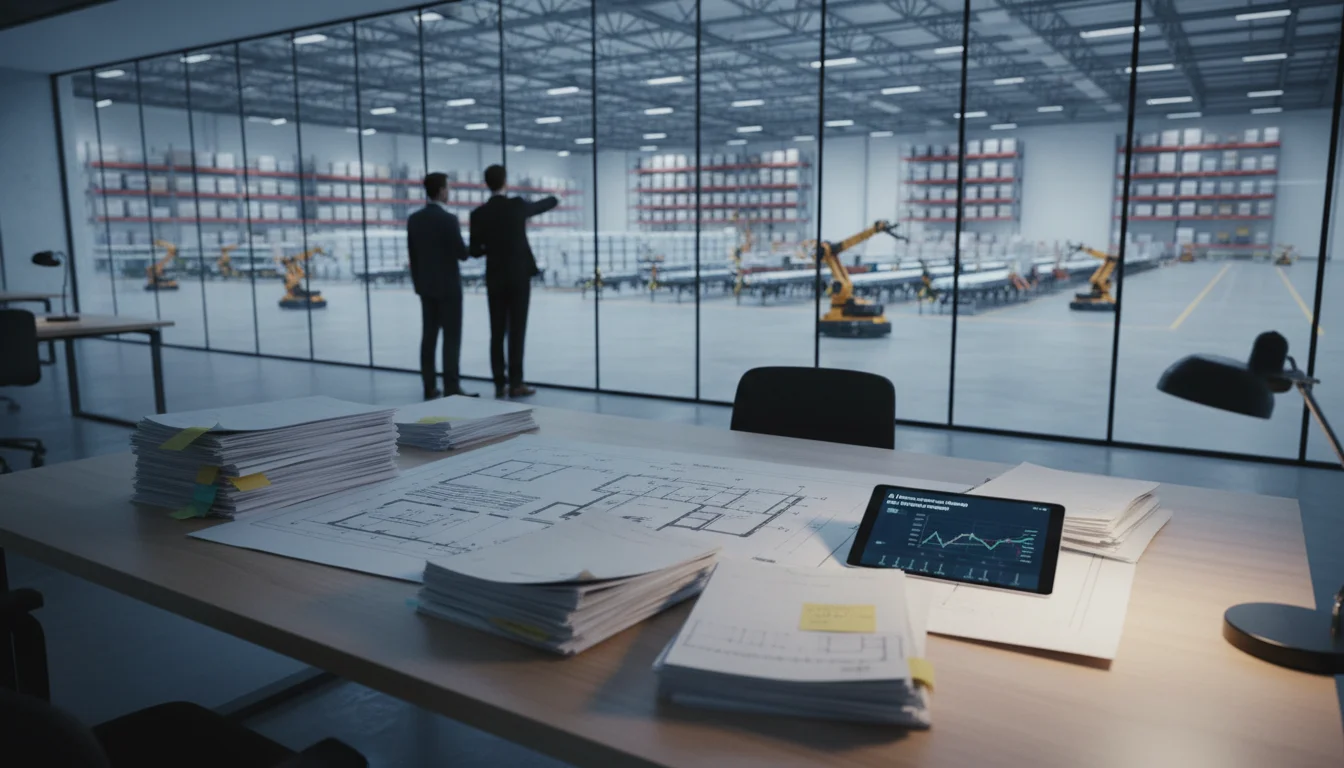
The rush to integrate artificial intelligence into workplace monitoring is creating a huge fight over worker rights and privacy. As companies roll out AI tools to track everything from productivity and communications to our emotional states, they’re walking into a legal and ethical minefield. The big question is how our existing employment law frameworks, which were never designed for this, can possibly adapt to protect people from algorithmic overreach without shutting down business innovation entirely.
Key Takeaways
- The EU’s new AI Act is a big deal. It creates a risk-based system for AI and demands transparency and human oversight for any “high-risk” systems used in employment.
- Here in the U.S., states like California are starting to push specific bills to tackle algorithmic management and protect worker data, showing that lawmakers are finally paying attention.
- If you’re a company using these AI surveillance tools, you need to be crystal clear with employees about what data you’re collecting and have strong security in place to avoid legal trouble.
- Legal experts point out that existing privacy laws like GDPR and CCPA can offer some protection for workers, but everyone’s waiting for specific AI-focused rules to catch up.
- The balance between a company’s drive for efficiency and an employee’s right to privacy is going to be hammered out in court cases and regulatory updates over the next few years.
Context and Background
AI surveillance in the workplace has exploded since 2020. We’re talking about everything from simple keystroke logging and screen monitoring to much more advanced facial recognition and sentiment analysis of your Slack messages. A 2024 report from the Pew Research Center found that over 70% of large U.S. companies are now using some kind of digital monitoring, and they’re increasingly plugging in AI to find patterns in all that data on productivity, attendance, or even engagement. Employers justify this by saying it boosts efficiency, helps them spot training gaps, and ensures compliance. But critics have a strong point: these systems create a culture of distrust, jack up employee stress, and can easily lead to discrimination because of hidden algorithmic biases.
For example, you might have an AI system designed to flag “anomalous” behavior. That sounds fine, until it penalizes an employee for taking slightly longer breaks to manage a health condition, a perfectly legitimate activity that falls outside the rigid, predefined parameters. The legal world is still struggling to figure this out. Our labor laws were mostly written decades ago and never imagined a boss could collect and analyze data at this scale. This regulatory gap puts both companies and their employees in a tough spot, where the line for what’s acceptable monitoring is incredibly blurry. And this isn’t just a US problem. Countries all over the world are wrestling with it, often coming to very different conclusions.
Implications for Worker Rights and Employment Law
For employees, the consequences hit hard. You feel a real loss of autonomy and privacy, which in turn creates serious anxiety about your mental health and whether you’ll even have a job tomorrow. A huge worry is that these AI systems will generate performance reviews that completely miss the human context. For instance, an AI could easily flag someone for low productivity because they had to handle a personal emergency, but the algorithm has no way of understanding those circumstances. So what happens to fairness and due process when promotions or disciplinary actions are based on these cold, hard metrics? Unions and labor groups are getting much louder about this, demanding stronger protections and full transparency. Their argument is simple: employees have a right to know what data is being collected on them, see how it’s being used, and be able to fight back against a bad assessment spit out by a machine.
On the legal side, employment law is being stretched to its breaking point. Old statutes just weren’t written for the kind of granular data analysis AI makes possible. The European Union has taken a huge step with its AI Act, which specifically classifies AI systems used for hiring and managing workers as “high-risk.” That classification forces companies to meet tough standards, requiring human oversight, solid data governance, transparency, and proven accuracy. It’s the first major move to actually regulate AI at work. The U.S. approach, by contrast, is all over the map. Federal laws like the National Labor Relations Act (NLRA) might give union workers a way to bargain over surveillance, but there’s no specific federal law on the books for AI in the workplace yet. Instead, the action is at the state level, with proposals like California’s “Algorithmic Accountability Act,” which AP News reports would place new duties on employers who use automated systems to make decisions about workers.
What’s Next
The future of AI surveillance at work is going to be a constant tension between a company’s desire for efficiency and its employees’ demands for privacy and fair treatment. I expect we’ll see a wave of lawsuits challenging AI-driven firings or promotions, which will force courts to decide how old laws apply to this new technology. At the same time, regulators are getting heat from every direction, unions, privacy advocates, the public, to draw some clear lines in the sand and pass new laws that directly address AI monitoring. Companies can’t just wait for that to happen. They need to be developing their own ethical AI policies, being upfront with their workforce, and building human oversight into their systems to get ahead of the legal risk.
We also desperately need industry-wide standards for AI accountability and bias detection, probably developed by a coalition of tech companies, independent auditors, and labor representatives. Without clear benchmarks, it’s too easy for biased outcomes to slip through. For example, an algorithm could learn that employees who leave at 5:01 PM every day are less “engaged,” inadvertently penalizing working parents. Plus, since so many companies are global, they face a real compliance nightmare trying to sync up a patchwork of different rules, like applying the EU’s strict regulations for their German office but a completely different, looser set of rules for their Texas office, all while using the same software. It’s a mess. Organizations that make ethical AI a priority and actually talk to their employees about these tools are going to be in a much better position to handle what’s coming.
As AI gets woven deeper into our daily work, the arguments over worker rights and the shape of employment law will only get more intense. The responsibility falls on employers to use AI to support the human side of work, and it’s on employees and their advocates to stay vigilant and demand transparency and accountability from these powerful new systems.
What specific types of AI surveillance are common in workplaces?
You’ll see everything from AI-powered keystroke logging and screen monitoring to video surveillance using facial recognition. Some of the most common tools also include sentiment analysis of emails and chats, plus predictive analytics that use employee data to try and forecast performance or who might quit.
Can employers legally use AI to monitor employees without their consent?
It really depends on where you are. In a place like the EU, GDPR requires either explicit consent or a very clear, documented legitimate interest. In the U.S., the rules are generally looser at the federal level, though some states are passing their own stricter privacy laws. As a rule of thumb, companies are expected to tell employees they’re being monitored, even if they don’t always need to get a signature for it.
How does AI surveillance impact employee mental health?
Studies and anecdotal reports show that constant AI surveillance is a recipe for increased stress, anxiety, and a general feeling of distrust. The sense that you’re always being watched can quickly lead to burnout and make people hate their jobs, which damages overall well-being.
What recourse do employees have if they believe AI surveillance is discriminatory?
You can fall back on existing anti-discrimination laws if you can demonstrate that an AI-driven decision disproportionately harmed a protected group (for example, based on race, gender, or age). Your options include filing complaints with labor boards or even pursuing a lawsuit, especially if you’re in a state with one of the new algorithmic accountability laws.
Are there any benefits to using AI for worker monitoring?
The argument for it is that AI monitoring can spot real problems. It can identify workflow inefficiencies, help customize training programs, and improve security. For instance, an AI might flag a potential safety hazard on a factory floor or detect fraudulent activity in a financial firm, which could protect both the company and the employees who are doing the right thing.



