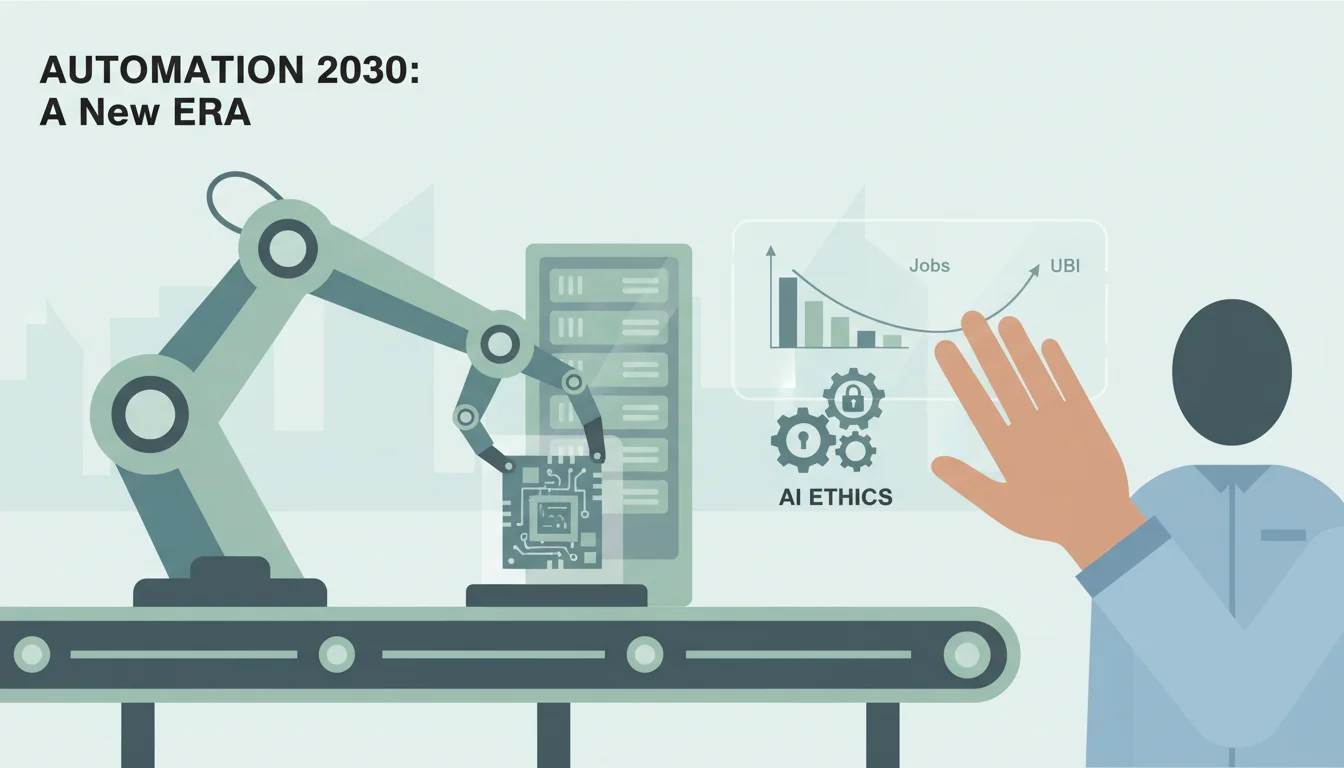
McKinsey & Company’s latest global tech forecast for 2026 highlights a significant surge in demand for AI infrastructure, predicting a substantial shift in enterprise spending towards advanced computing and specialized hardware. This projection shows the foundational role that strong, scalable AI infrastructure plays in realizing artificial intelligence’s far-reaching potential across industries. But what exactly does this mean for businesses working through the evolving technological field?
Key Takeaways
- Global enterprise spending on AI infrastructure is projected to grow significantly by 2026, driven by a 20% to 30% annual increase in AI adoption.
- The forecast emphasizes a shift towards specialized AI hardware, including GPUs and custom AI chips, as essential for processing complex AI models efficiently.
- Companies must prioritize strategic investments in scalable cloud and edge computing solutions to support growing AI workloads and data demands.
- Talent development in AI engineering and operations is critical to deploying and managing sophisticated AI infrastructure effectively.
Context and Background
The acceleration of AI adoption across sectors fuels this infrastructure demand. According to a recent report from Reuters, major cloud providers are already expanding their data center capacities at an unprecedented rate to accommodate the escalating computational needs of AI models. This isn’t just about more servers. It’s about a fundamental re-architecture of computing environments. Traditional data centers, designed for general-purpose computing, often struggle with the parallel processing demands of deep learning algorithms. The McKinsey forecast specifically points to a surge in demand for Graphics Processing Units (GPUs) and application-specific integrated circuits (ASICs), which are purpose-built for AI workloads. We’re seeing this play out in supply chains, where lead times for high-end AI chips are extending, signaling intense market competition.
This trend builds on years of incremental advancements in machine learning, but the current inflection point is distinct. The widespread availability of sophisticated AI models and platforms has lowered the barrier to entry for many companies, allowing them to experiment with and deploy AI solutions more readily. However, this accessibility masks a deeper challenge: the underlying infrastructure required to run these models at scale, reliably, and cost-effectively. My own experience working with enterprise clients reveals a common bottleneck: brilliant AI models often falter in production due to insufficient or poorly planned infrastructure. It’s a classic case of the engine outgrowing the chassis.
Implications for Businesses
The implications of this forecast are deep, particularly for businesses seeking to maintain a competitive edge. First, strategic investment in AI infrastructure becomes a non-negotiable part of any digital transformation roadmap. This includes not only hardware but also software platforms, data pipelines, and cybersecurity measures tailored for AI environments. Companies that delay these investments risk falling behind, unable to process the vast datasets or run the complex models required for advanced analytics, predictive maintenance, or personalized customer experiences.
Second, the forecast highlights a growing reliance on hybrid and multi-cloud strategies. While major cloud providers offer extensive AI services, the need for data sovereignty, latency reduction, and cost optimization drives many organizations to distribute their AI workloads across various environments. This means integrating on-premise infrastructure with public cloud resources, and sometimes even using edge computing for real-time processing closer to data sources. According to a survey by Pew Research Center, data privacy concerns continue to influence enterprise decisions regarding cloud adoption, particularly for sensitive AI applications. Managing this distributed infrastructure effectively requires specialized expertise and strong orchestration tools.
Finally, the demand for skilled professionals capable of designing, deploying, and managing AI infrastructure will intensify. This isn’t just about data scientists. It’s about AI engineers, MLOps specialists, and cloud architects who understand the nuances of accelerating AI workloads. Businesses must prioritize talent development and retention in these critical areas, perhaps even exploring partnerships with specialized consultancies to bridge immediate skill gaps.
What’s Next
Looking ahead, the McKinsey forecast suggests several key areas will define the evolution of AI infrastructure. We anticipate continued innovation in specialized hardware, with chip manufacturers pushing the boundaries of computational efficiency and energy consumption. Expect to see more custom silicon designed for specific AI tasks, moving beyond general-purpose GPUs. This will likely lead to greater fragmentation in the hardware market but also to more optimized solutions for particular applications.
Plus, the focus will shift towards greater automation in AI infrastructure management. Tools for automated provisioning, scaling, and monitoring of AI workloads will become standard, reducing the operational burden on IT teams. The concept of “AI factories,” where entire AI development and deployment pipelines are automated, will gain traction. Organizations will increasingly adopt platforms that offer end-to-end solutions for managing the AI lifecycle, from data ingestion to model deployment and monitoring. This means a move away from piecemeal solutions towards integrated ecosystems.
In the end, the successful adoption of AI hinges on a strong and adaptable infrastructure. Businesses that proactively invest in and strategically plan their AI infrastructure will be best positioned to capitalize on the technology’s promise, turning innovative models into tangible business value. The future of AI isn’t just about algorithms. It’s about the powerful, unseen engines that run them.
What is AI infrastructure?
AI infrastructure refers to the complete set of hardware, software, and networking components required to develop, deploy, and manage artificial intelligence applications. This includes specialized processors like GPUs, high-performance computing clusters, vast data storage systems, and the software frameworks and platforms that facilitate AI model training and inference.
Why is McKinsey forecasting a surge in AI infrastructure demand?
McKinsey’s forecast attributes the surge to the accelerating adoption of AI across various industries, which demands more powerful and specialized computing resources. As more companies integrate AI into their operations, the need for strong infrastructure to handle complex data processing and advanced model computations grows significantly.
What types of hardware are most critical for AI infrastructure?
Graphics Processing Units (GPUs) are currently most critical due to their parallel processing capabilities, which are ideal for deep learning. Custom AI chips, like ASICs, are also gaining prominence for their efficiency in specific AI workloads. High-bandwidth memory and fast interconnects are also essential components.
How does cloud computing fit into AI infrastructure?
Cloud computing plays a central role by providing scalable, on-demand access to AI-optimized hardware and software services. Many businesses use public cloud platforms for their flexibility, cost-effectiveness, and access to advanced AI tools without needing to build and maintain extensive on-premise infrastructure. Hybrid and multi-cloud strategies are also common.
What challenges might businesses face in building out their AI infrastructure?
Businesses may face challenges including high initial investment costs for specialized hardware, securing talent with expertise in AI engineering and MLOps, managing data privacy and security, and integrating diverse infrastructure components. Ensuring scalability and cost-efficiency as AI workloads grow also presents a significant hurdle.