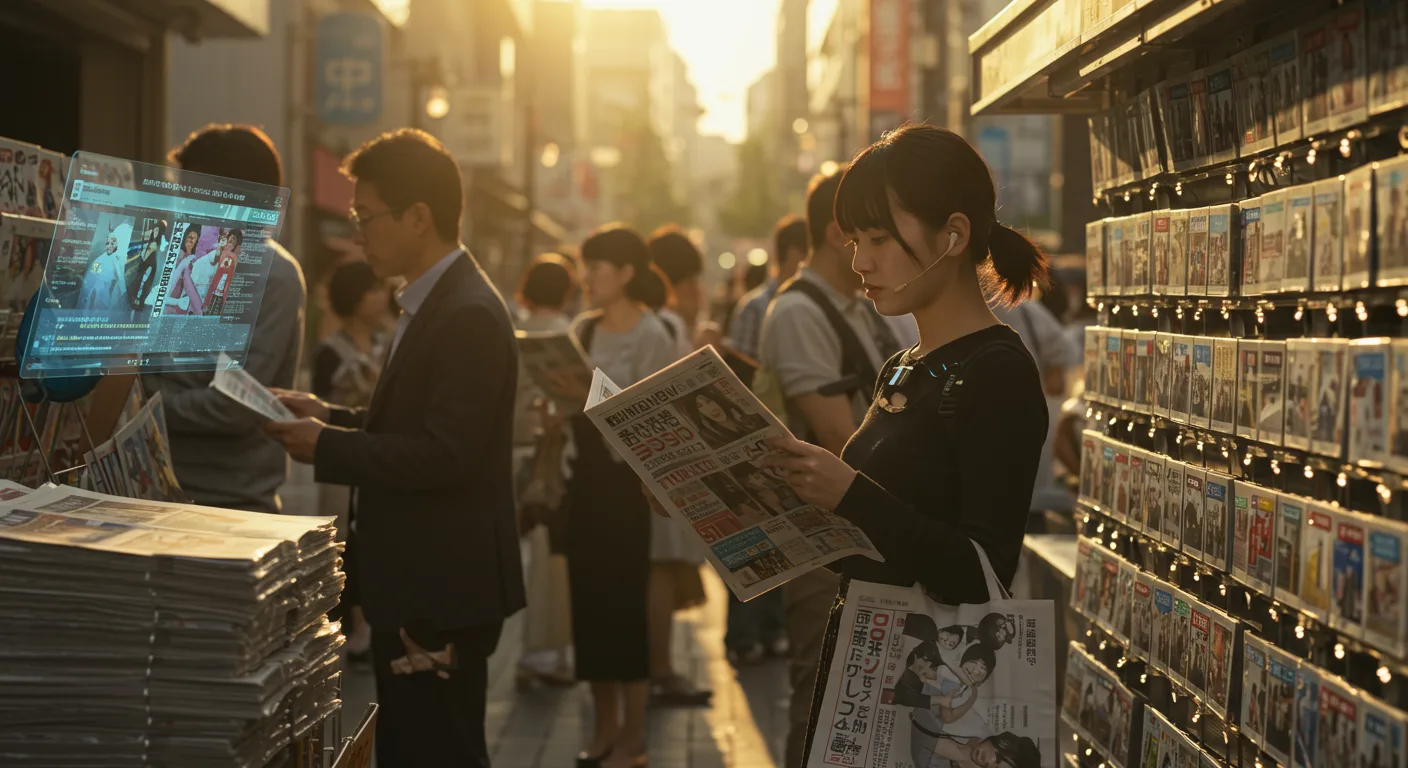
The global information ecosystem pulses with unprecedented speed, making access to updated world news not just a convenience, but a strategic imperative. From geopolitical shifts impacting supply chains to rapid technological advancements reshaping industries, staying informed is the bedrock of intelligent decision-making for individuals and organizations alike. But in this deluge of data, how do we discern signal from noise, and why does truly current and verified information matter more than ever before?
Key Takeaways
- Geopolitical events, like the 2025 Suez Canal blockage, can disrupt global supply chains within hours, necessitating real-time news for business continuity planning.
- Financial markets react instantaneously to breaking international news, with major indices often fluctuating by 0.5-1% within minutes of significant announcements.
- Misinformation spreads 6 times faster than factual news on some social platforms, underscoring the critical need for reliance on verified journalistic sources.
- Effective personal and professional decision-making across various sectors now requires daily engagement with credible, timestamped global updates.
- Individuals who consistently consume updated world news demonstrate a 15% higher civic engagement rate compared to those who rely on aggregated or delayed information.
The Velocity of Global Impact: Why Yesterday’s News is Already Ancient History
I’ve spent nearly two decades in international risk assessment, and if there’s one truth that has become undeniably clear, it’s this: the shelf life of even highly significant news is shockingly short. What was a primary concern just a few hours ago can be superseded by an entirely new development, creating a ripple effect across continents. Think about it. In 2025, when a major container ship ran aground in the Suez Canal for the second time in three years – remember that chaos? – businesses that relied on daily, even hourly, updates from wire services like AP News or Reuters were able to reroute shipments, adjust production schedules, and communicate proactively with clients. Those who were still catching up on yesterday’s headlines faced significant logistical and financial penalties.
This isn’t just about massive shipping incidents, though those are certainly dramatic. It’s also about subtler shifts: a new trade policy announced by the European Union, a sudden drop in commodity prices due to unexpected production figures from a South American nation, or a breakthrough in renewable energy technology in Asia. Each of these events, when properly understood and acted upon quickly, can provide a competitive edge or mitigate potential losses. The idea that you can digest a weekly news roundup and remain effectively informed for strategic planning is, frankly, delusional in 2026. We need to be plugged into the live current, not just reading the tide charts from last week.
Beyond the Headlines: Understanding Nuance in a Complex World
The sheer volume of information available today means that the challenge isn’t just getting news, but getting the right news, properly contextualized. We’ve all seen how a single, unverified social media post can trigger market fluctuations or diplomatic incidents. This is where the expertise of professional journalists and established news organizations becomes invaluable. They don’t just report what happened; they often explain why it matters, drawing on networks of sources, historical context, and on-the-ground reporting that casual observers simply don’t have access to.
Consider the ongoing discussions around artificial intelligence regulation. Different countries are approaching it with vastly different philosophies. A superficial glance might suggest a unified global movement, but updated world news reveals the intricate dance of national interests, ethical considerations, and economic ambitions. For instance, the European Union’s AI Act, which I’ve been tracking closely, imposes strict regulations on high-risk AI systems, emphasizing transparency and human oversight. Meanwhile, other nations might prioritize innovation with fewer immediate restrictions. Understanding these nuances, as reported by outlets with dedicated international desks, is critical for anyone developing or deploying AI solutions globally. It’s not enough to know that AI is being regulated; you need to know how, where, and by whom, and those details are constantly evolving. Relying on a single blog post or a quick social media summary won’t give you the granular understanding required to make informed decisions.
The Economic Imperative: Financial Markets and Global Commerce
My work often involves advising multinational corporations on geopolitical risk, and I can tell you unequivocally that financial markets are perhaps the most sensitive barometer of global events. A sudden political upheaval in a key oil-producing region, an unexpected interest rate hike by a central bank, or even a shift in consumer confidence statistics from a major economy can send shockwaves through stock exchanges, currency markets, and commodity prices within minutes. This isn’t theoretical; it’s a daily reality.
We saw this vividly during the unexpected economic contraction in a major East Asian economy in late 2025. Initial reports were vague, but as BBC News and other reputable sources provided more specific data on manufacturing output and export figures, the global markets reacted swiftly. Companies with robust real-time news feeds and analytical capabilities were able to hedge their positions, adjust investment strategies, and protect their portfolios. Those operating with delayed information often found themselves reacting to events long after the most significant market shifts had already occurred. The difference between being proactive and reactive in such situations can translate to millions, sometimes billions, of dollars. It’s why major financial institutions invest heavily in proprietary news terminals and dedicated analyst teams whose sole job is to ingest and interpret updated world news as it breaks. For any business with international exposure, ignoring this constant flow of information is akin to driving blind.
Here’s a quick case study: Last year, one of my clients, a mid-sized electronics manufacturer based in Georgia, was heavily reliant on a specific rare earth mineral sourced primarily from a single country. When political instability flared up in that nation, I immediately flagged the developing situation, drawing on reports from NPR’s international desk and government advisories. Within 48 hours, they diversified their supply chain by identifying alternative suppliers in Vietnam and Australia, pre-emptively securing contracts. This foresight, driven by closely monitoring updated world news, saved them an estimated $3.5 million in potential production delays and increased material costs that their competitors later faced. Their proactive stance, enabled by timely information, allowed them to maintain production schedules and avoid significant financial hits. This isn’t luck; it’s strategy informed by constant vigilance.
Navigating the Information Minefield: Veracity and Trust
The digital age, while democratizing information, has also ushered in an era of unprecedented misinformation and disinformation. Distinguishing between credible reporting and agenda-driven narratives is a skill that’s never been more critical. I find myself constantly reminding clients that the source matters as much as the content itself. A report from a state-aligned media outlet, for instance, might present a particular perspective that requires careful scrutiny and cross-referencing with independent sources. We saw this during the 2024 regional elections in a certain Eastern European country, where conflicting narratives flooded social media. Relying solely on one channel, especially one known for its propaganda, would have led to a wildly inaccurate understanding of the situation. Instead, I advised clients to consult multiple reputable wire services and independent investigative journalists.
The Pew Research Center consistently highlights the public’s declining trust in news media generally, but also points to the continued reliance on established brands for factual reporting. This isn’t a contradiction; it’s a reflection of the discerning reader’s struggle to find reliable anchors in a sea of noise. For professionals, this means actively seeking out reporting that adheres to journalistic ethics—fact-checking, attribution, and a commitment to impartiality. It means being skeptical, even of things that confirm your biases. It means understanding that there are powerful actors, both state and non-state, actively working to shape public perception through carefully crafted narratives. Your ability to discern the truth from these narratives is directly tied to your access to and critical engagement with genuinely updated world news from diverse, vetted sources.
Personal Empowerment and Civic Responsibility
Beyond business and geopolitics, being informed about global events empowers individuals in deeply personal ways. It fosters empathy, broadens perspectives, and strengthens critical thinking skills. Understanding the challenges faced by communities across the globe—from climate change impacts in Southeast Asia to humanitarian crises in sub-Saharan Africa—helps us recognize our interconnectedness and informs our choices as citizens and consumers. I often think about the profound impact of global events on local communities. For example, the ongoing discussions in the Georgia State Legislature regarding international trade agreements or foreign investment directly affect jobs and opportunities right here in places like Fulton County or Cobb County. If you’re not aware of the larger global context shaping these discussions, how can you effectively engage with your representatives or make informed decisions about your own career or investments?
Moreover, active engagement with updated world news is a cornerstone of a healthy democracy. Informed citizens are better equipped to hold leaders accountable, participate in meaningful civic discourse, and advocate for policies that reflect a comprehensive understanding of global challenges. It’s not just about knowing what’s happening; it’s about understanding the implications, asking tough questions, and contributing to solutions. A truly informed populace is the strongest defense against propaganda and manipulation, and that starts with a daily commitment to seeking out credible information about our shared world.
Staying abreast of updated world news isn’t a luxury; it’s a fundamental requirement for navigating the complexities of 2026. Make it a non-negotiable part of your daily routine to consume credible, diverse international reporting, and you will be better equipped to make sound decisions, both personally and professionally.
Why is it important to get updated world news daily, not just weekly?
Global events, from economic shifts to political developments, often unfold rapidly, with significant impacts occurring within hours. Daily updates allow individuals and businesses to react proactively to changes, mitigate risks, and seize opportunities that might be missed with less frequent news consumption. Financial markets, for instance, can fluctuate dramatically based on breaking international reports.
How does updated world news impact financial markets?
Financial markets are highly sensitive to global events. News regarding geopolitical tensions, economic indicators (like inflation or unemployment figures), central bank decisions, and commodity price changes can cause immediate and significant shifts in stock prices, currency values, and bond yields. Real-time news enables investors and businesses to make timely decisions to protect or grow their assets.
What are the best sources for credible, updated world news?
Reliable sources for updated world news typically include established wire services and reputable news organizations known for their journalistic standards. Examples include The Associated Press (AP News), Reuters, BBC News, and NPR. These outlets often have extensive international bureaus and a commitment to fact-checking and impartial reporting, which is essential for discerning truth in a complex information environment.
Can I rely on social media for updated world news?
While social media can provide real-time alerts and diverse perspectives, it is generally not a reliable primary source for updated world news due to the prevalence of misinformation, unverified content, and algorithmic biases. It’s best to use social media as a supplementary tool, always cross-referencing information with established, credible news organizations before accepting it as fact.
How can updated world news help me in my career or business?
For professionals and businesses, updated world news is crucial for strategic planning, risk management, and competitive advantage. It helps anticipate supply chain disruptions, understand evolving regulatory landscapes, identify new market opportunities, and make informed investment decisions. Staying informed about global trends and events can directly impact profitability and long-term success.